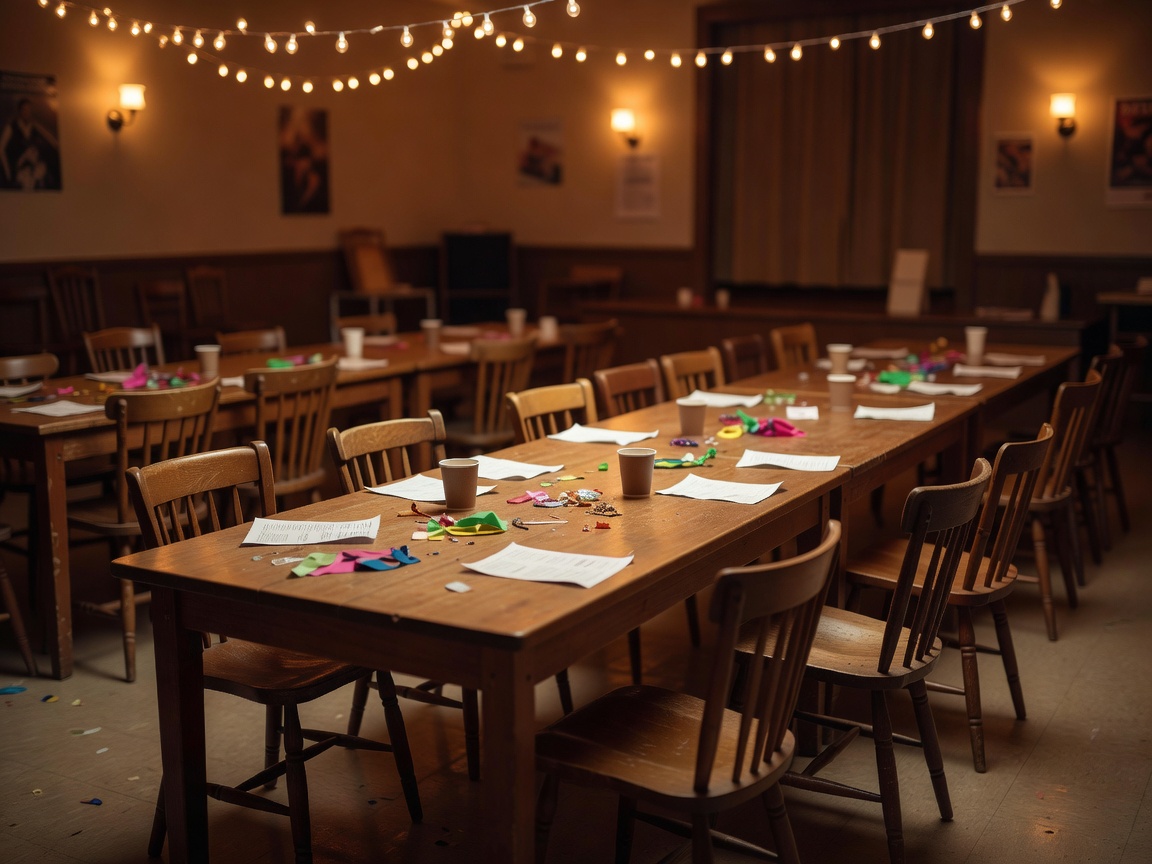
A scene becomes durable when people can return without being exhausted, excluded or taken for granted.
Competition can be intense while the surrounding community remains thoughtful. Respect does not require everyone to share the same personality, ambition or way of enjoying a game.
Offer a route beyond winning
A results table records one kind of contribution. It does not show who welcomed a newcomer, explained a difficult setup, translated an announcement or stayed to pack the room. If recognition goes only to winners and visible personalities, the work that sustains everyone else becomes easy to overlook.
Make participation possible at different levels. Someone may want a short casual visit rather than a full tournament day. Another person may enjoy commentary but not being photographed. A player returning after a long break may need time to learn new systems without becoming the room’s running joke. None of these preferences makes someone less authentically part of a fighting game community.
Games also have different social histories. Mortal Kombat 1, The King of Fighters XV, Granblue Fantasy Versus: Rising and Under Night In-Birth II Sys:Celes do not produce identical gatherings simply because they share a genre. Ask people about their own scene rather than treating one famous event, country or game as the default culture for everyone.
Put boundaries around the work
Before volunteering, agree on the task, start and end times, support contact and what happens if you need a break. “Help with pools for an hour” is more manageable than “keep everything running.” If a role requires training, provide it before the room becomes busy. A new volunteer should not have to improvise a response to a serious conduct report.
Organisers should explain whether a role is paid or voluntary and state any agreed expenses or benefits clearly. Do not imply that exposure is a substitute for an arrangement someone has not accepted. Avoid building a schedule that works only if the same reliable people quietly skip food, play and rest.
Document practical tasks so knowledge is not trapped with one person. A setup checklist, staff handover and clear equipment inventory can reduce pressure on experienced organisers. Keep sensitive attendee information out of public notes, and only share operational access with people who need it.
Treat safety as an operating requirement
A code of conduct should explain expected behaviour and how concerns are handled. A reporting address is not enough if nobody monitors it during the event. Attendees need to know which staff members can help, whether there is an alternative contact and how immediate concerns differ from later feedback.
If someone tells you about harassment, listen without demanding a public account or promising an outcome you cannot deliver. Help them find the designated reporting route, respect their privacy and avoid spreading details as community gossip. Where there is immediate danger, prioritise safety and contact venue staff or the appropriate emergency service.
Consent applies to photographs, recordings and physical contact. Being in a gaming venue is not blanket permission to turn someone into content. Ask before filming a conversation or recording a casual set, and follow the venue’s rules. Public broadcast arrangements should be communicated clearly rather than discovered when a camera appears.
Make access information ordinary
Publish practical details before people have to request them: entrances, stairs, seating, toilets, lighting, noise and available quiet areas. Describe what is actually provided rather than making broad claims that a venue is “accessible to everyone.” Invite specific questions and answer them without treating the person asking as an inconvenience.
Communication access matters too. Keep important announcements readable outside a fast-moving chat. Use text alongside essential graphics, make deadlines easy to locate and avoid placing every update inside a video. The Web Content Accessibility Guidelines offer a useful reference for digital information, although a readable event page cannot by itself solve physical access barriers.
Build memory without building a gate
Archives, match footage and local stories help people understand a scene’s history. Credit commentators, artists, organisers and players accurately. Ask permission when appropriate and preserve context. An old joke or clipped disagreement can acquire a different meaning when detached from its original setting.
Learning resources such as The Fighting Game Glossary, Dustloop and SuperCombo Wiki show how shared explanations can make specialist knowledge easier to approach. Use that spirit locally: explain a term instead of treating unfamiliarity as a test of belonging.
Finally, make room for people to step back. Changing jobs, caring responsibilities, health and money can interrupt participation. A community worth returning to does not demand continuous attendance as proof of loyalty. Thank people for what they contribute, keep invitations clear and leave the door open without pressure.
Official game references
See Mortal Kombat, The King of Fighters XV, Granblue Fantasy Versus: Rising and Under Night In-Birth II Sys:Celes for official game information, not local attendance policies.